
Fantasy Art in Canterbury: A Majestic Journey with Enchanted World of Ryder
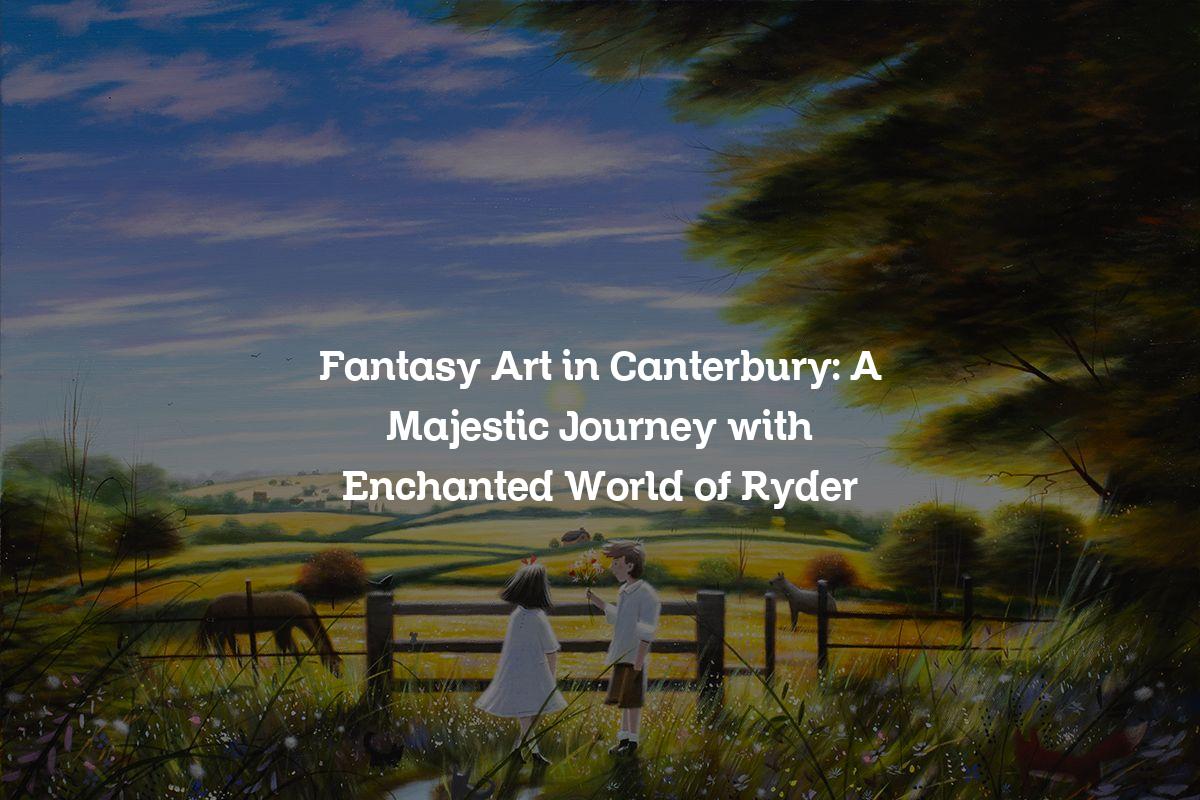
Fantasy art in Canterbury has taken a new dimension with the Enchanted World of Ryder. The company, established in 2002, has its roots in the world-renowned Pompidou Centre in Paris. It is here that Roland Barthes, a celebrated literary critic, was honored with a headline exhibition, a first for a non-artist. This event forms an integral part of Ryder’s history and ethos.
Exploring Fantasy Art in Canterbury with Ryder
With a firm belief in Barthes’ ‘Death of the Author’ concept, Ryder encourages its audience to appreciate art in its truest form. This means breaking away from the author’s influence and judging each creation on its individual merit. This philosophy is clearly evident in Ryder’s approach to fantasy art in Canterbury.
The company’s fantasy art offers a unique blend of whimsy and profundity, reflecting both the beauty and the complexity of the human imagination. Ryder’s artists are skilled in translating the abstract into a tangible form, creating pieces that speak directly to the viewer’s heart and soul.
- An appreciation for the intrinsic value of art
- A distinct style that sets Ryder’s fantasy art apart
- An immersive experience that engages the audience
These are some of the key aspects that make Ryder’s fantasy art in Canterbury so special. But there’s more to this than meets the eye. A deeper exploration reveals a world of enchantment that transcends the ordinary.
The Enchantment of Ryder’s Fantasy Art
Ryder’s fantasy art is about more than just aesthetics. It’s about a journey into an enchanting world, a realm where the imagination runs free. This is what sets Ryder apart and makes its fantasy art in Canterbury a must-see.
- Each piece is a portal into a world of fantasy
- The art is a celebration of imagination and creativity
- There’s a sense of mystery that keeps the audience engaged
In conclusion, the Enchanted World of Ryder offers a unique experience of fantasy art in Canterbury. It provides a space for audiences to appreciate art in its purest form, free from the constraints of the author’s influence. This is true to the principles of Roland Barthes, and a testament to Ryder’s commitment to promoting empowerment through art.